Portable EEG Comes of Age: What the 2026 FDA Clearances Mean for Real-World Brain Data
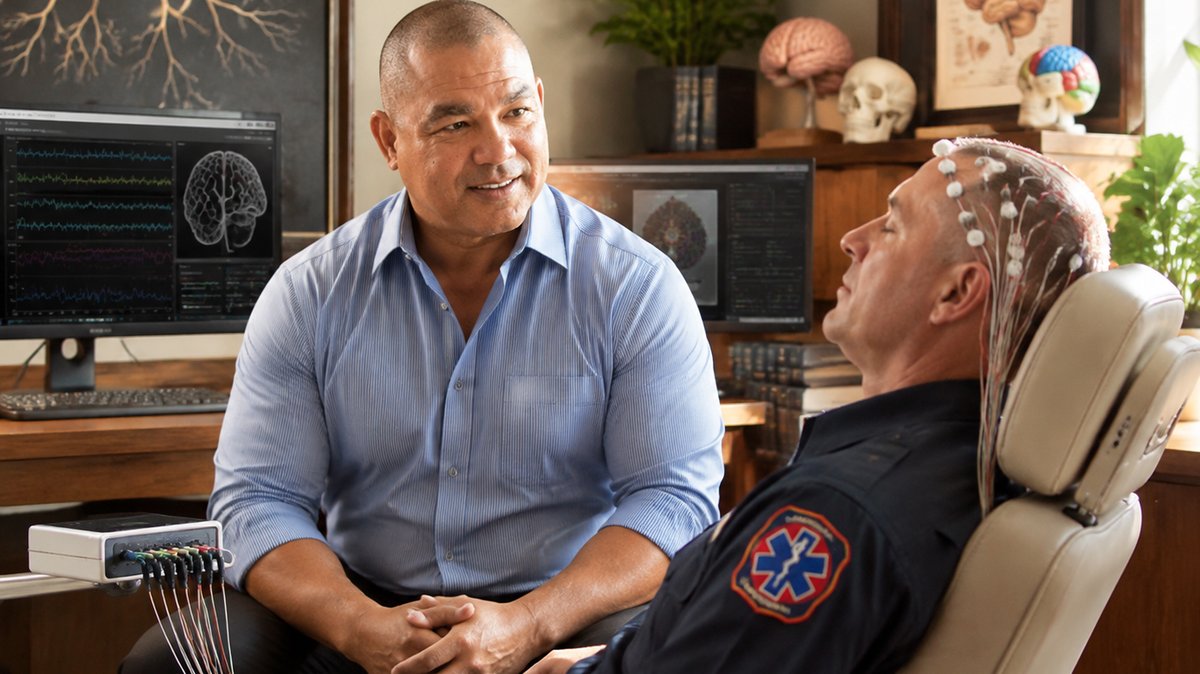
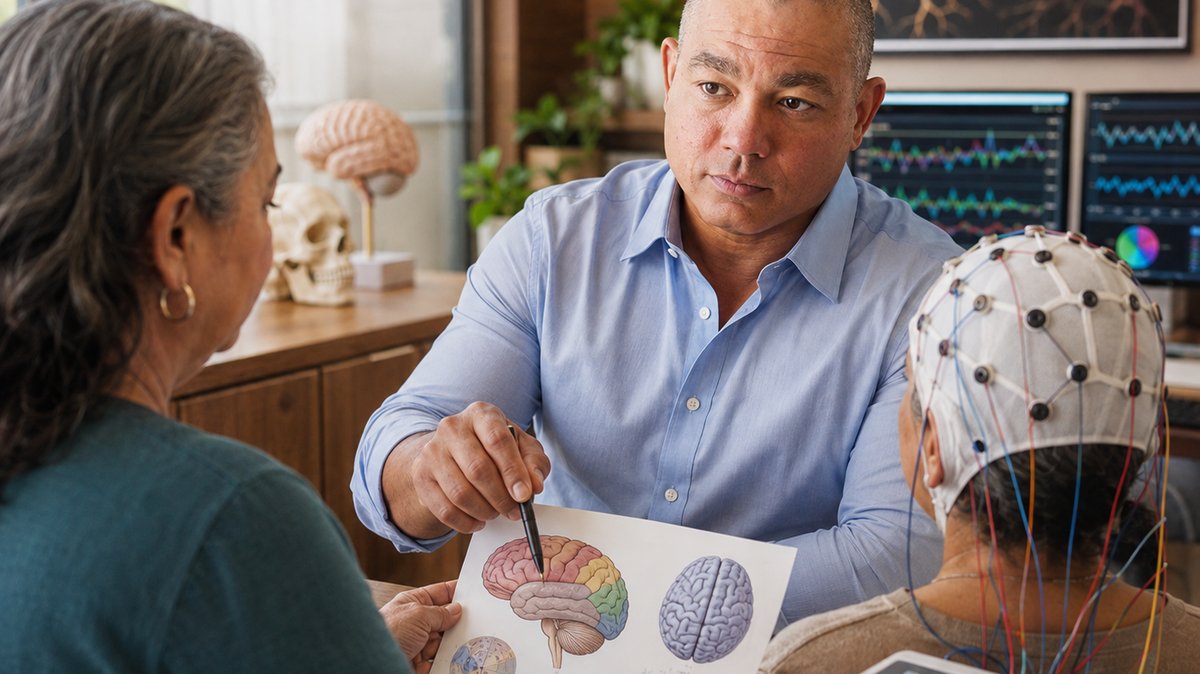
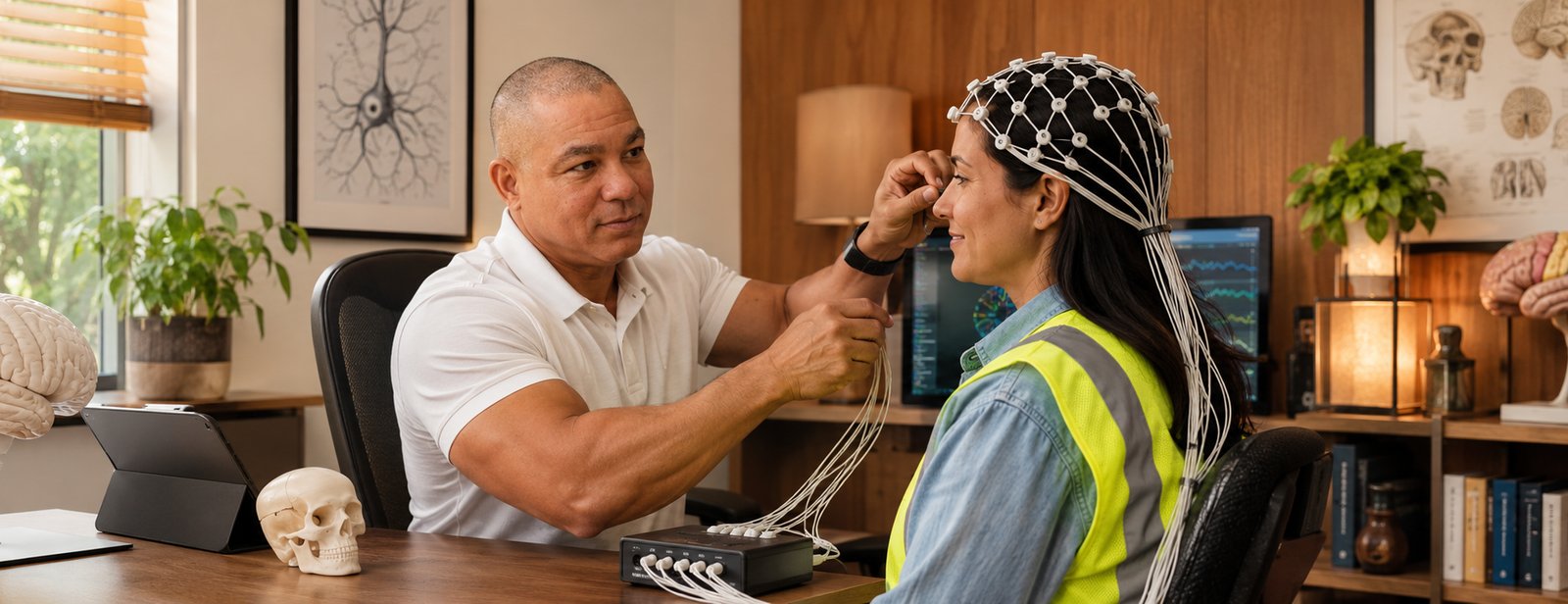
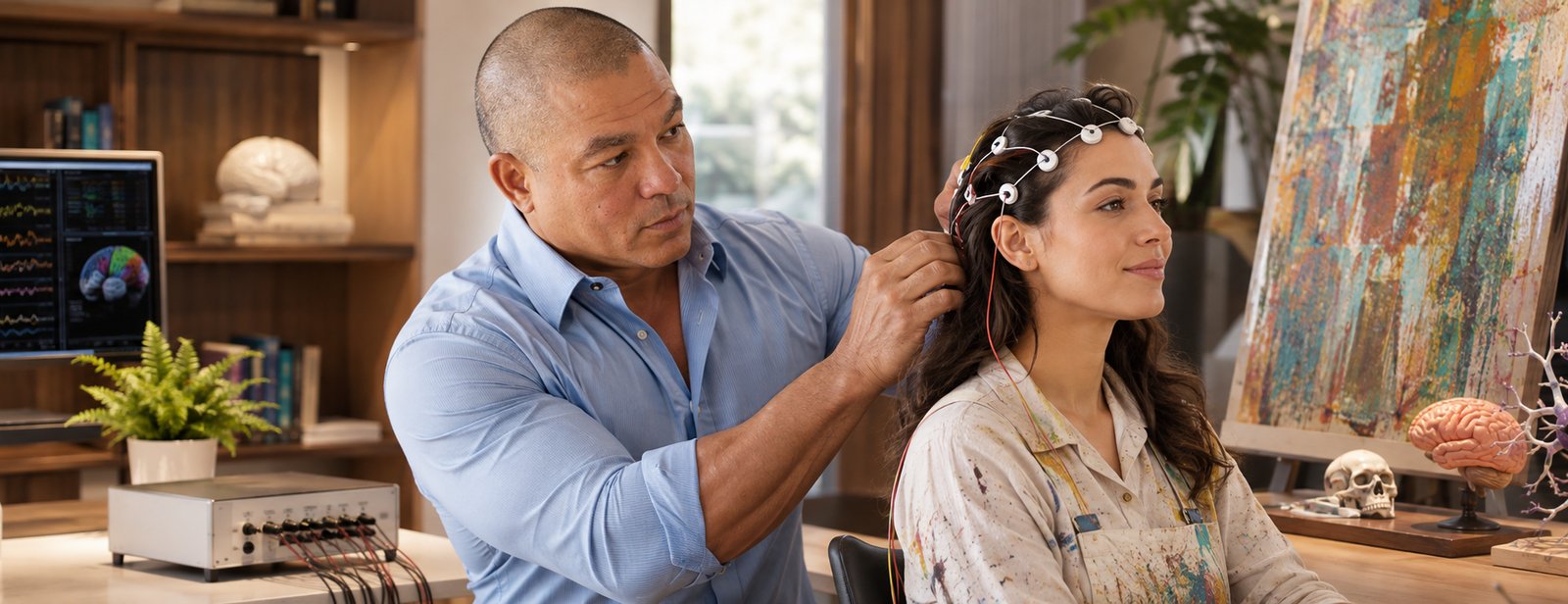
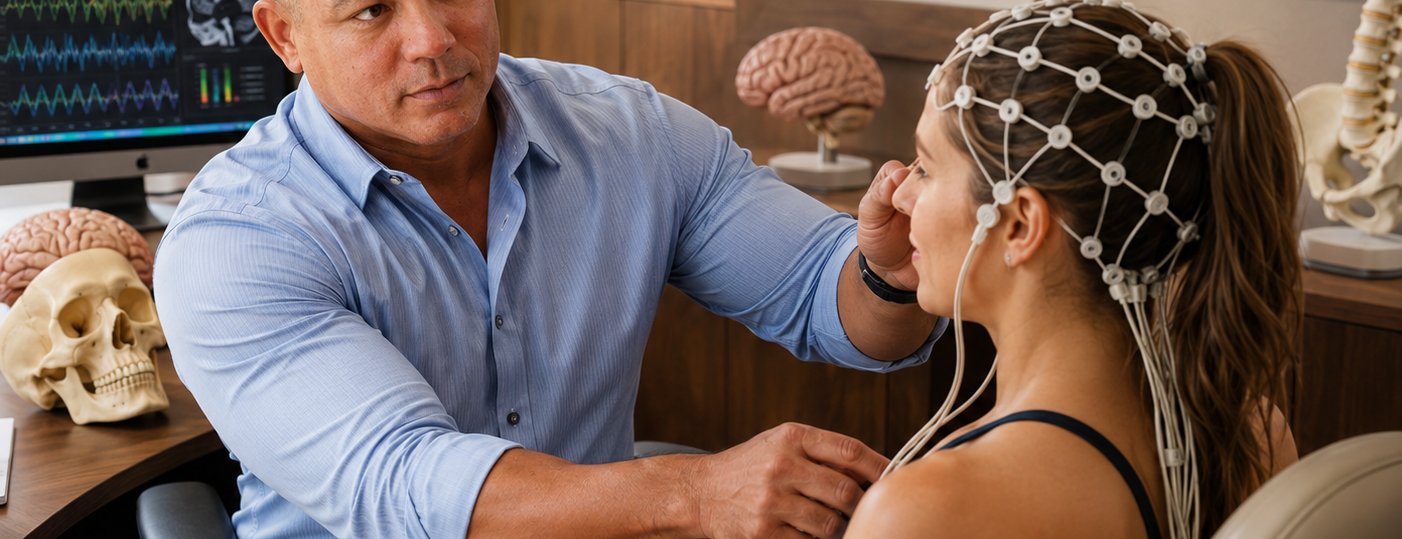
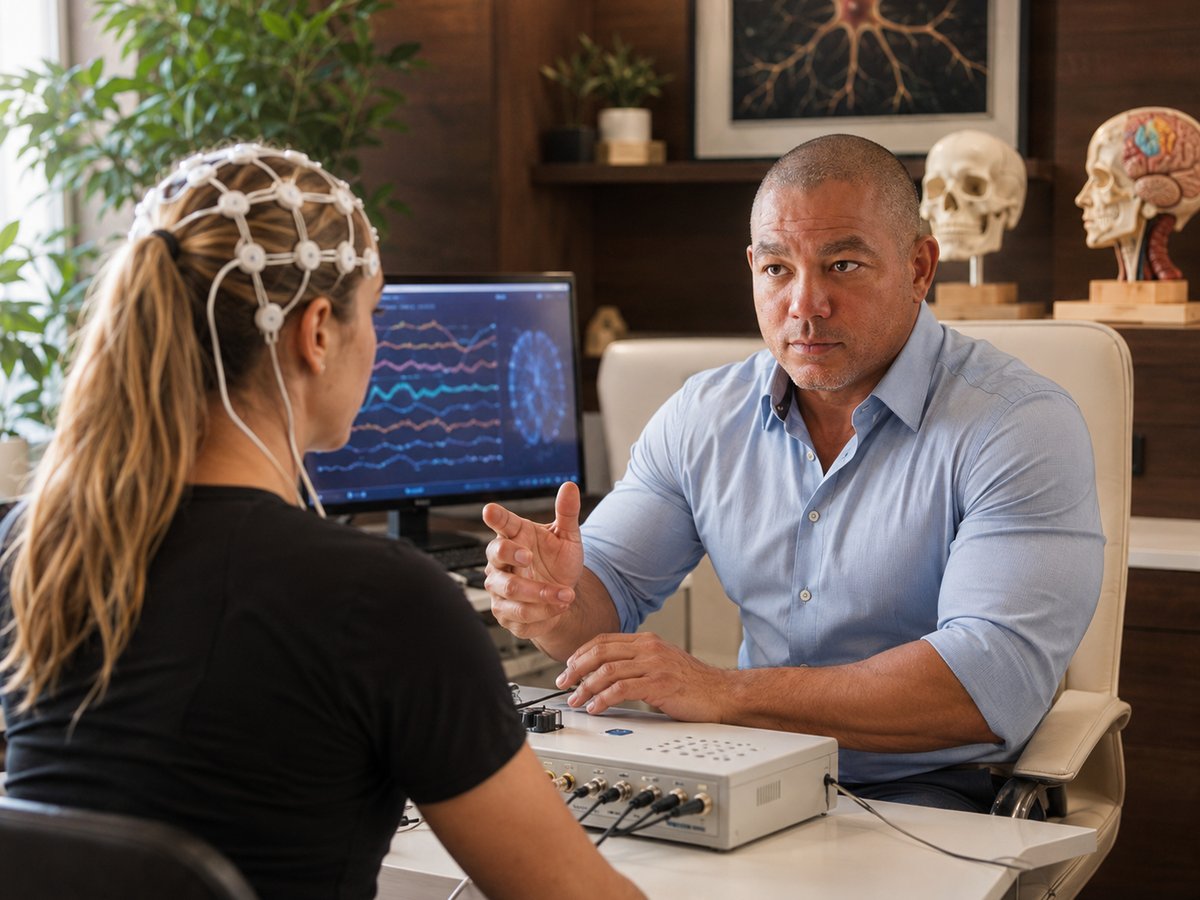
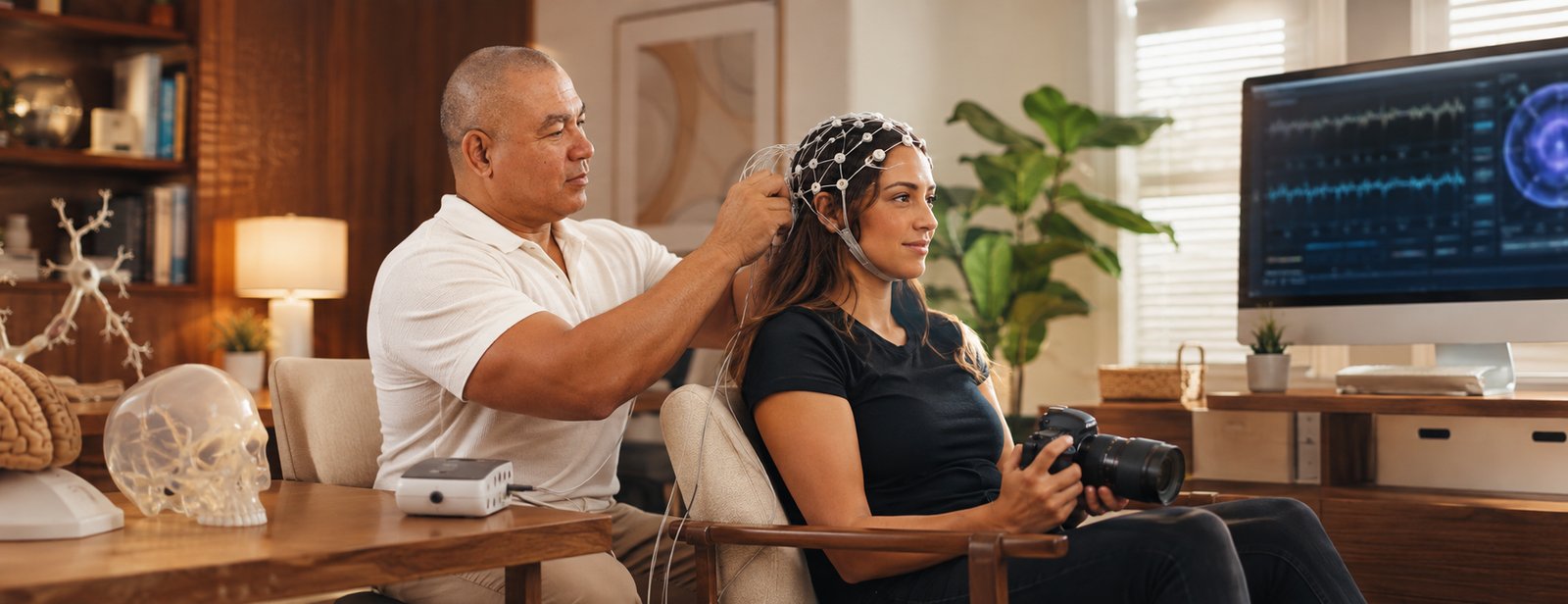
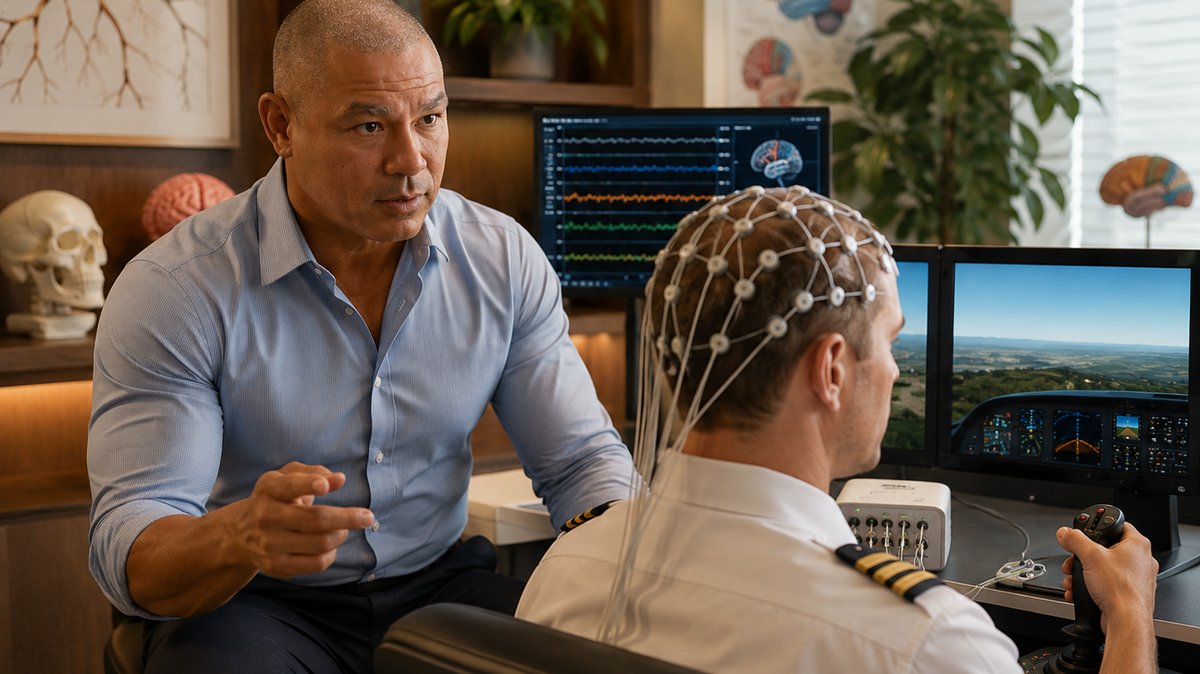
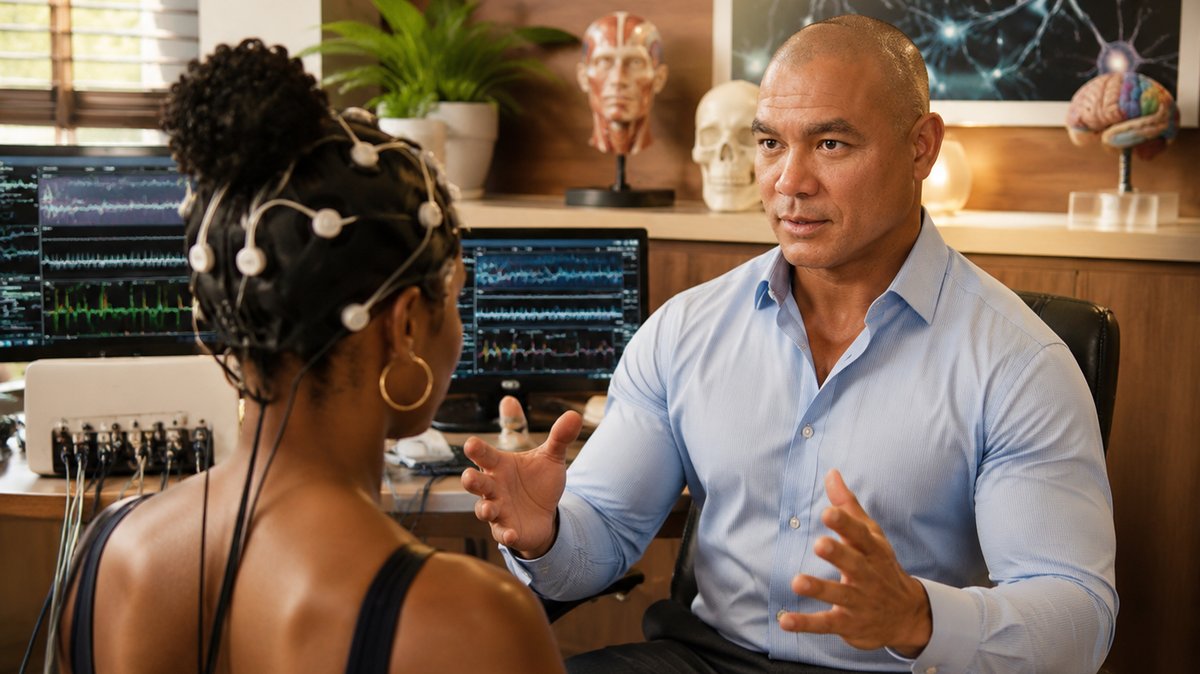
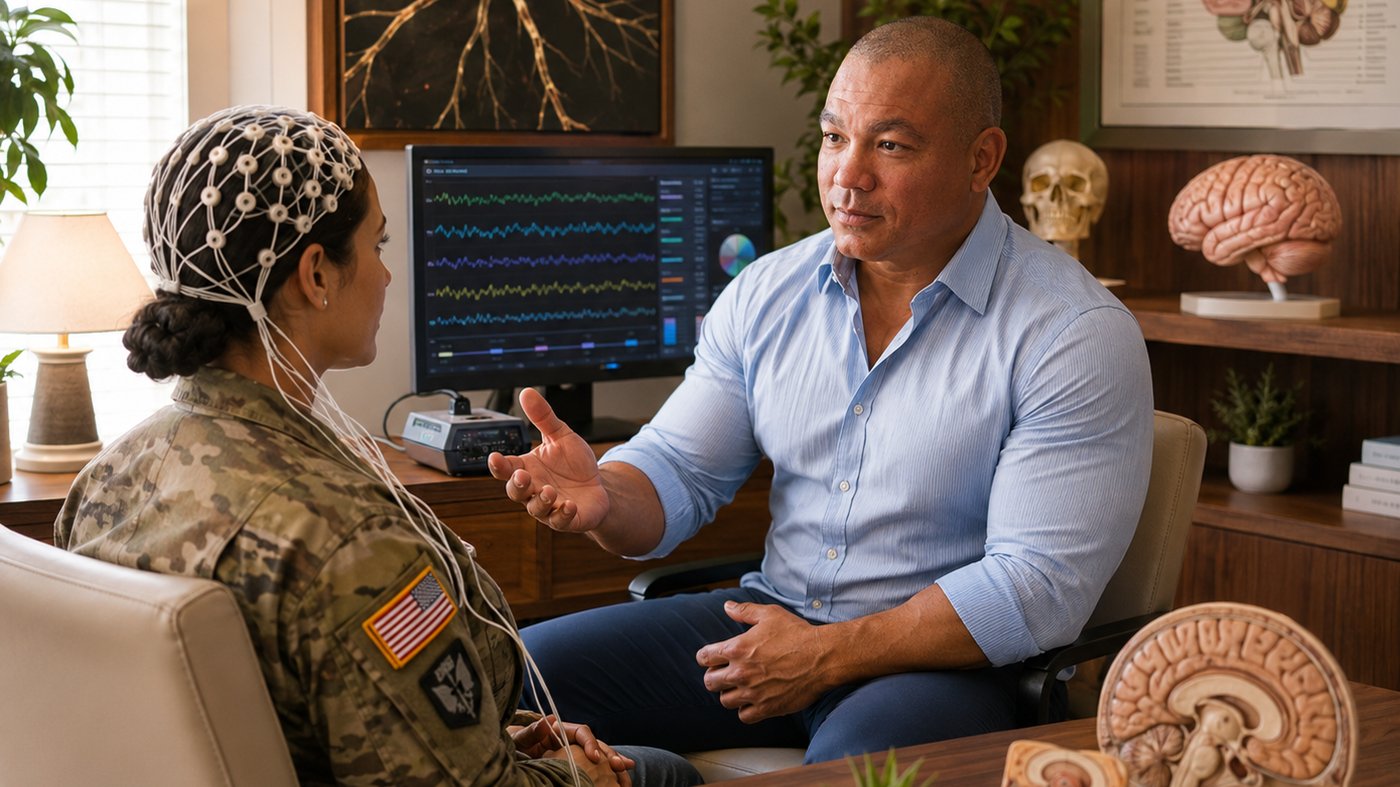
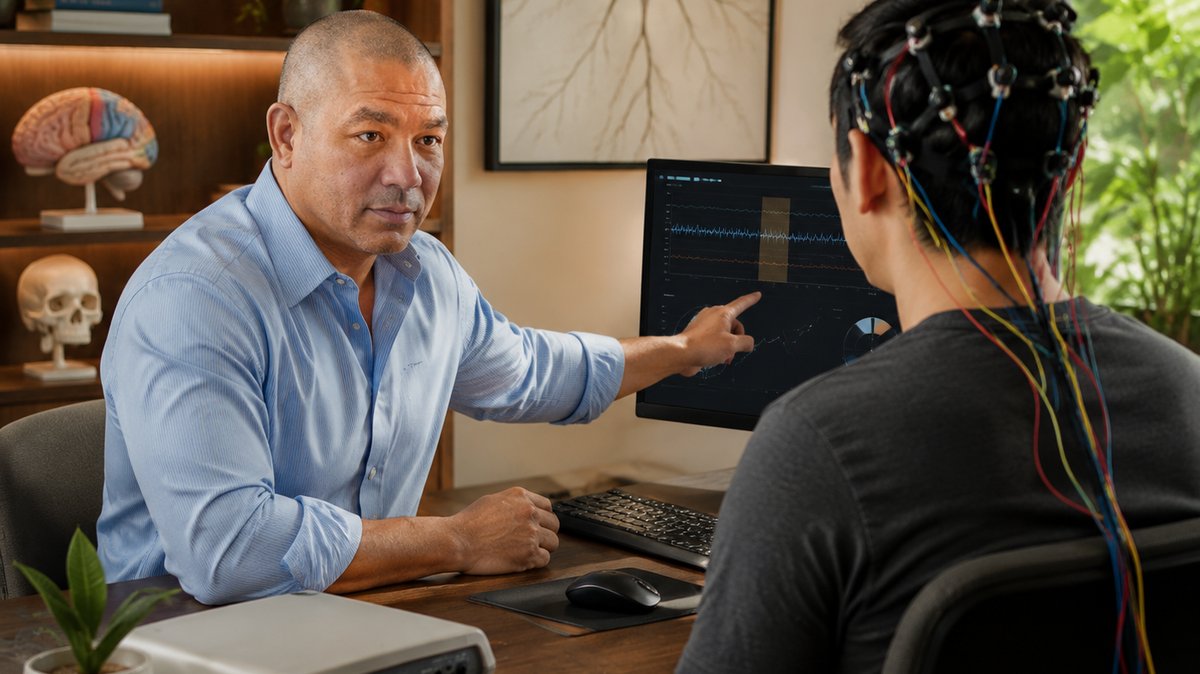
The hardware side of EEG had a notable first half of 2026. In January the FDA granted 510(k) clearance to an in-ear, single-channel EEG system — the first cleared device to record brain electrical activity from electrodes seated inside the ear canal — opening the door to longer, more comfortable recordings outside the clinic. In April a separate manufacturer received clearance for a soft-electrode outpatient headset able to capture recordings of up to roughly 2.5 hours with synchronized video. Together these approvals signal a steady move toward EEG that fits real life rather than only the lab.
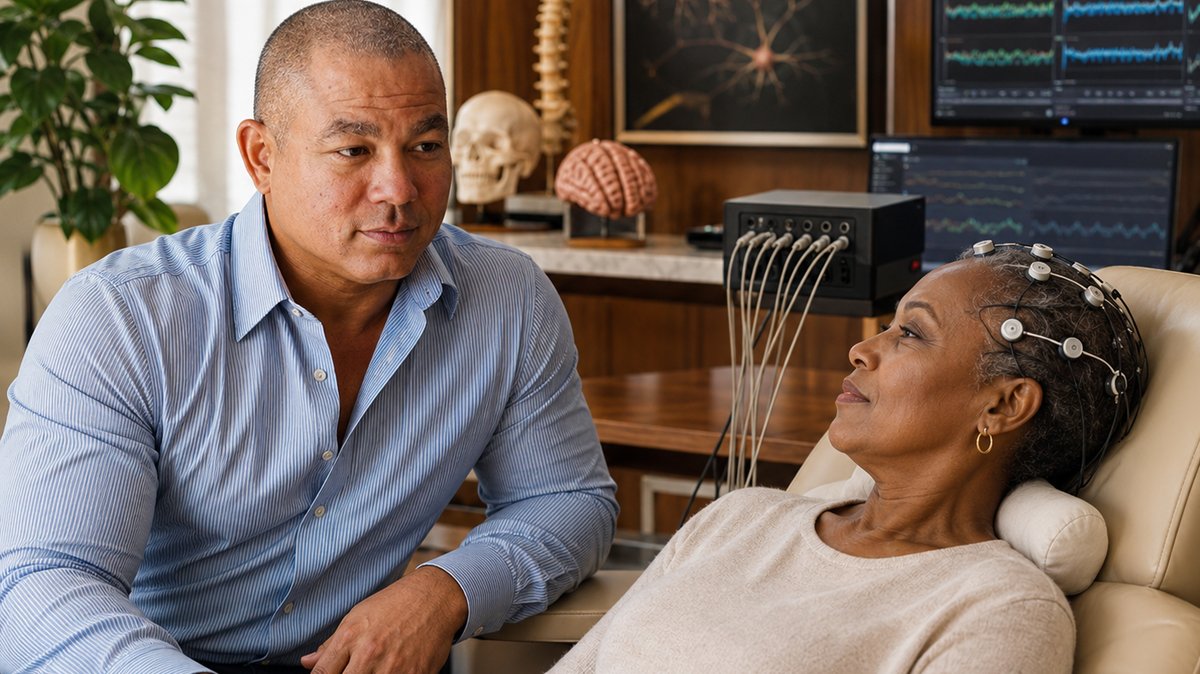
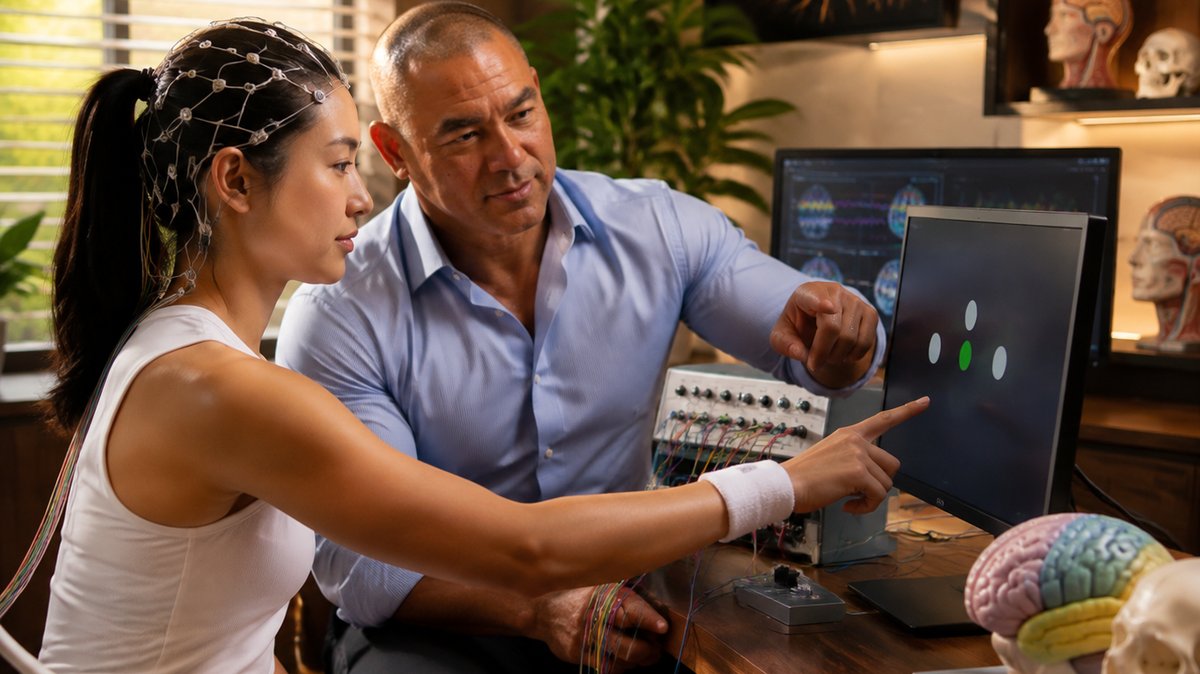
For neurofeedback practice, easier data collection is promising but not a shortcut. Cleared recording hardware measures signals; it does not, by itself, validate any particular training protocol or guarantee a clinical outcome. Neurofeedback remains studied most rigorously for ADHD, where some reviews report benefits and others find effects shrink once placebo and blinding are controlled; for anxiety and many other uses the evidence base is smaller and mixed. We read new hardware as a tool for better measurement, not a claim of new cures.
Neurofeedback is not FDA-approved to diagnose, treat, cure, or prevent any disease, and it is not a substitute for medical or psychological care. This is a complementary modality and not a substitute for licensed medical care. Anyone considering training should consult a qualified, licensed provider and work with a credentialed practitioner.
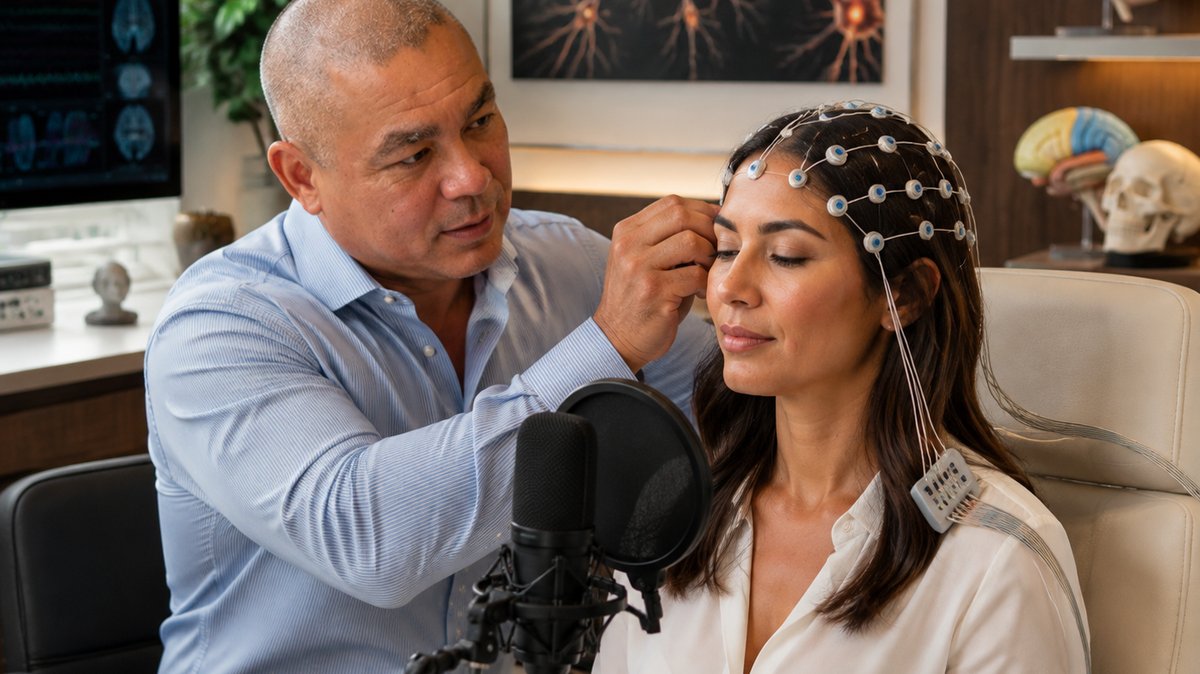
It is worth separating two things these clearances do and do not establish. A 510(k) clearance says a recording device is substantially equivalent to an existing one for capturing EEG signals; it is not a verdict on any training protocol built on top of that signal. The value of better portable hardware for neurofeedback is mainly cleaner measurement — fewer artifacts, longer real-world recordings, and easier repeat sessions — not a new clinical claim. The evidence for neurofeedback remains strongest for ADHD and decidedly mixed once studies control for placebo and blinding, which is why the International Society for Neurofeedback & Research urges credentialed, individualized care rather than one-size-fits-all promises. Neurofeedback is not FDA-approved to diagnose, treat, cure, or prevent any disease.
Sources: U.S. Food & Drug Administration; FierceBiotech — outpatient EEG 510(k) clearance; International Society for Neurofeedback & Research; FDA — 510(k) Premarket Notification Database